
Do Motion Decoys Really Increase Duck Hunting Success? A Full Breakdown
Posted by Lucky Duck Team on Jan 16th 2026
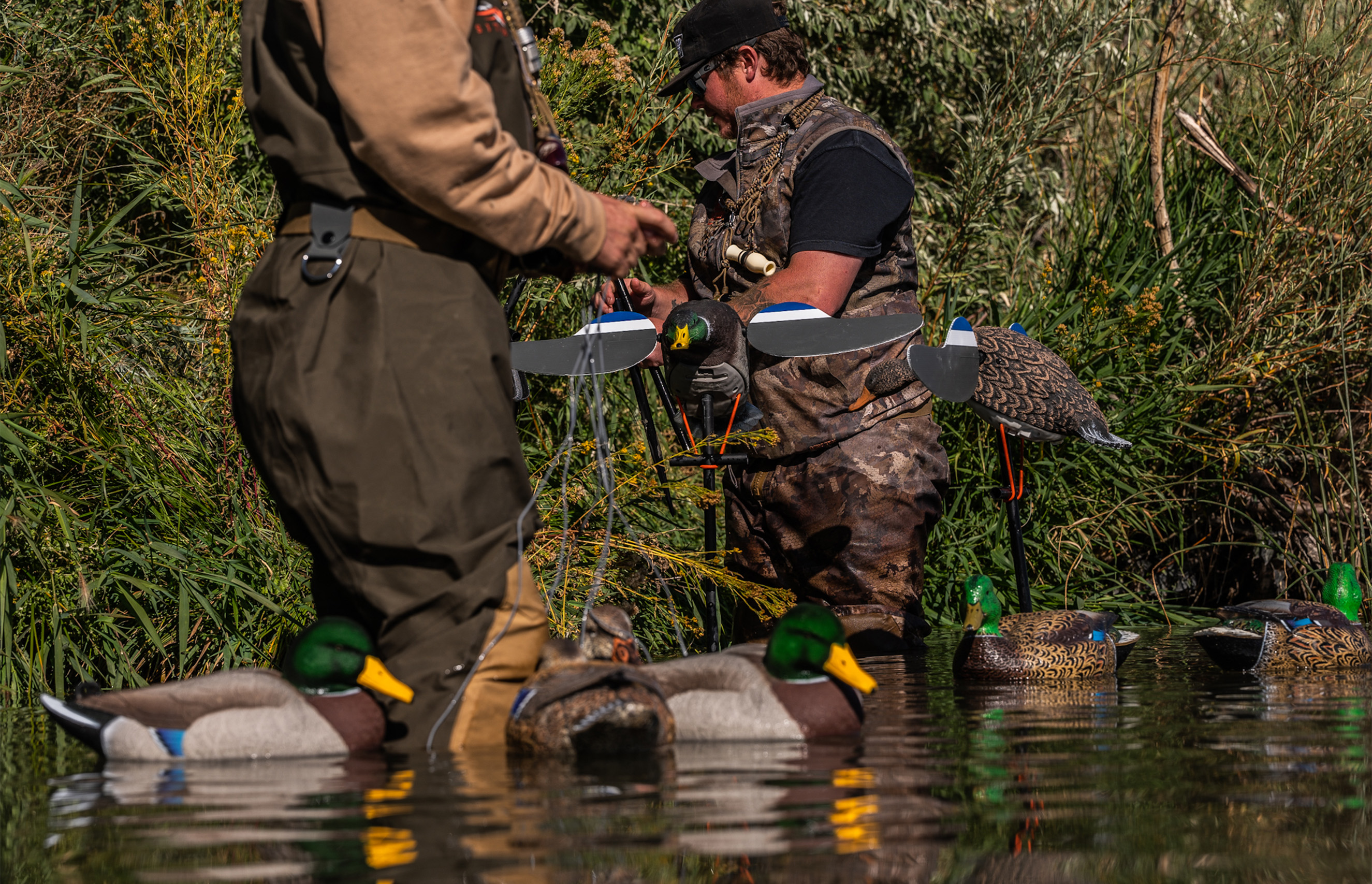
Every duck hunter knows the frustration: you've got a perfect spread, ideal conditions and birds are flying. But they flare at the last second, circling your decoys without committing. The missing ingredient? Movement.
Motion decoys have transformed waterfowl hunting in the past two decades. But do they actually work, or are they just another expensive gadget? Let's break down the science and real-world results.
Why Motion Matters to Ducks
Ducks are wired to respond to movement. Live birds never sit still. They feed, preen, swim and constantly adjust position. Your static spread might look realistic up close, but it lacks this vital sign of life.
Waterfowl behavior studies show ducks assess safety and feeding opportunities from hundreds of yards out using visual cues. Motion in your spread signals that other birds are comfortable and actively feeding below. Ripples, splashes and wing movements tell circling ducks everything they need to know.
Wind helps, but it's unreliable. Calm days expose static spreads for what they are. Motion decoys create consistent movement that grabs attention and builds confidence in approaching birds. Duck vision research shows they process movement patterns faster than static images during those split-second landing decisions.
Types of Motion Decoys and Their Effectiveness
Different motion decoys serve different purposes. Results vary based on design.
Spinning Wing Decoys
Spinning wing decoys mimic rapid wing movement of ducks landing or taking off. Visibility from long distances makes them excellent attention-getters. Hunters call them "magnets" because they pull birds from more than a mile away.
Rapid wing flash triggers an immediate response. Ducks see it and interpret active waterfowl using the area. Early-season birds respond aggressively, especially teal and other divers. The strobing effect breaks through visual clutter and registers instantly in a duck's field of vision.

Flapping Wing Decoys
Flappers offer more natural, intermittent wing movement. Instead of constant spinning, these create periodic flapping like a duck stretching or preparing to fly. Pressured birds that have grown wary respond better to this subtler approach.
Experienced hunters switch to flappers mid to late season. Ducks have seen every trick by then. More realistic movement can seal the deal on educated birds.

Swimming and Feeding Decoys
Motorized swimmers or bobbing feeders add water disturbance and subtle motion. They excel in small spreads or calm water. Swimmers create natural V-wakes and ripples like real ducks paddling. Feeding motion suggests safety and available food.
When Motion Decoys Work Best
Motion decoys aren't magic. Certain conditions amplify their effectiveness:
- Low Light Conditions: Dawn and dusk flights see movement before individual decoy details. Motion against dim backgrounds increases visibility from greater distances.
- Calm Days: No wind means no natural movement. A dead-calm spread looks fake. Mechanical motion becomes essential.
- Pressured Areas: Heavily hunted regions force you to differentiate your spread from dozens of static setups. Ducks flying over public marshes pass hundreds of decoy spreads daily. Motion makes the difference between getting looked at and getting ignored.
- Early Season: Fresh birds from the north haven't learned suspicion yet. They respond eagerly.
Heavy winds can backfire. Motorized decoys look unnatural compared with wind-driven movement. Late-season birds in sanctuary areas sometimes associate obvious motion with danger and avoid it.
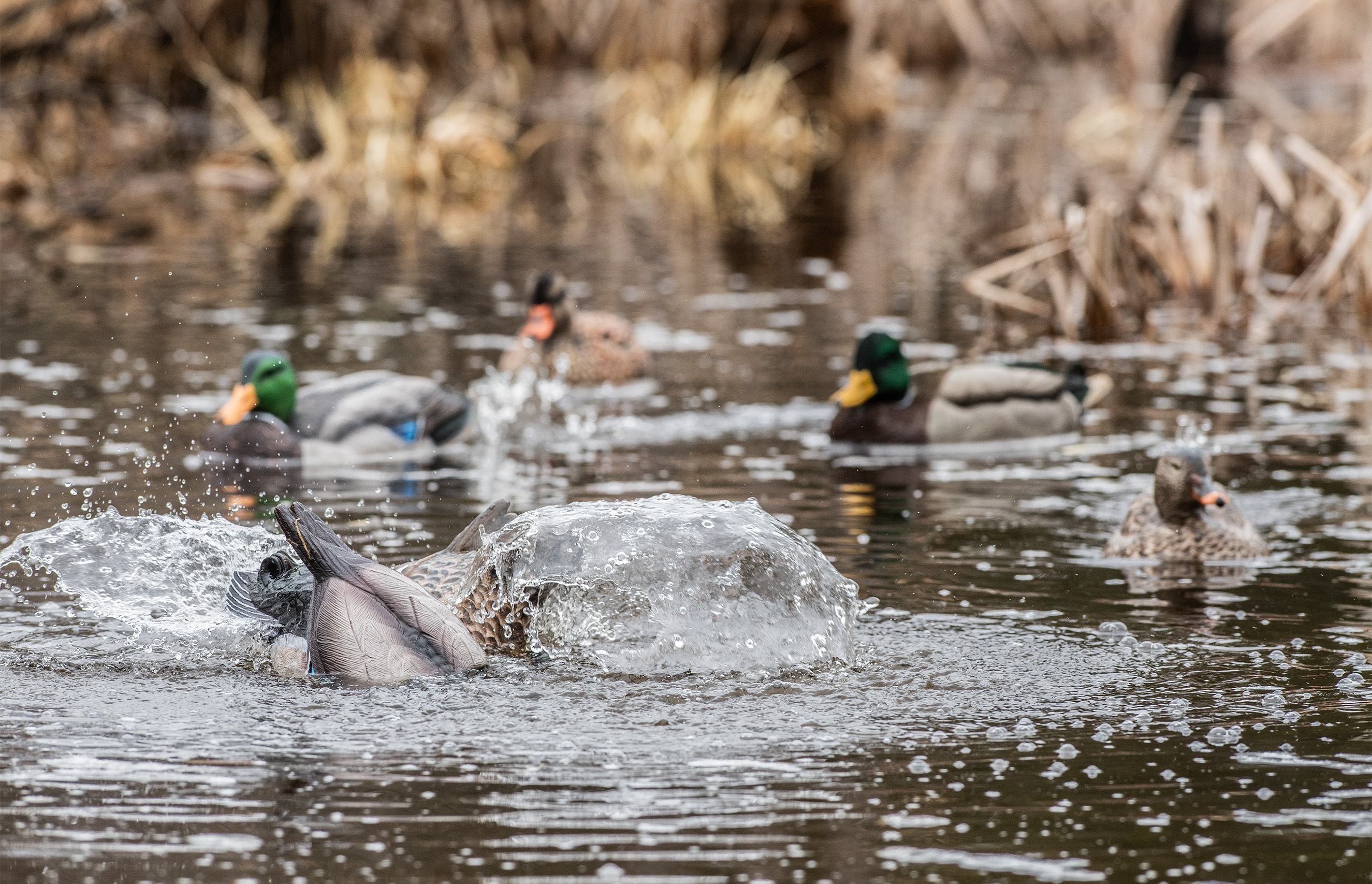
Maximizing Your Success With Motion Decoys
Placement matters more than quantity.
Position spinning wing decoys upwind where approaching birds see them first. Keep them 15 to 20 yards from your killing zone. Close enough to draw birds but far enough they don't land on the motion itself. The spinner grabs attention while static decoys provide finishing realism.
Multiple motion types work better than multiples of one kind. Pair a spinner for attraction with a swimmer or feeder for believability. This prevents your spread from looking mechanical.
Battery life becomes an issue in cold weather. Check your decoys before every hunt and carry spares. Dead motion decoys are just expensive paperweights. Rechargeable systems save money if you hunt frequently.
Run motion intermittently, not constantly. Kill the spinners when birds commit and work your spread. Constant motion spooks birds at close range. Many hunters run 30-second bursts when birds are distant, then shut everything down as they approach.
Ready to Upgrade Your Spread?
Lucky Duck offers premium waterfowl hunting equipment designed by hunters, for hunters. Our motion decoys combine proven effectiveness with reliable performance in the field. Shop Now and see the difference motion makes.

Frequently Asked Questions
Do motion decoys work on all duck species?
Most duck species respond to motion, but effectiveness varies. Divers like bluebills and redheads respond aggressively. Puddle ducks like mallards and pintails show good response, particularly early season. Sea ducks and certain wary species exercise more caution around obvious mechanical movement.
How many motion decoys should I use?
Start with one or two per spread. Too much motion looks unnatural and spooks birds. One well-placed spinner and one swimmer or feeder handles most situations. Add more only when hunting large water with big spreads.
Can motion decoys spook ducks?
Yes. Constant aggressive motion flares birds at close range. Poor placement that shows decoys from unnatural angles creates suspicion. Turn motion off when birds commit within 50 yards of your spread.
Do I need motion decoys on windy days?
Wind provides natural movement, reducing mechanical motion needs. A single motion decoy still helps with visibility and attraction. Focus on placement over quantity in these conditions.
How long do batteries last in motion decoys?
Battery life depends on decoy type and temperature. Spinning wing decoys run four to eight hours on fresh batteries in moderate temperatures. Cold weather cuts this in half. Lithium batteries outperform alkaline in cold. Always carry spares.