
How to Build the Ultimate Duck Spread: Decoy Placement Tips That Work Everywhere
Posted by Lucky Duck Team on Dec 29th 2025

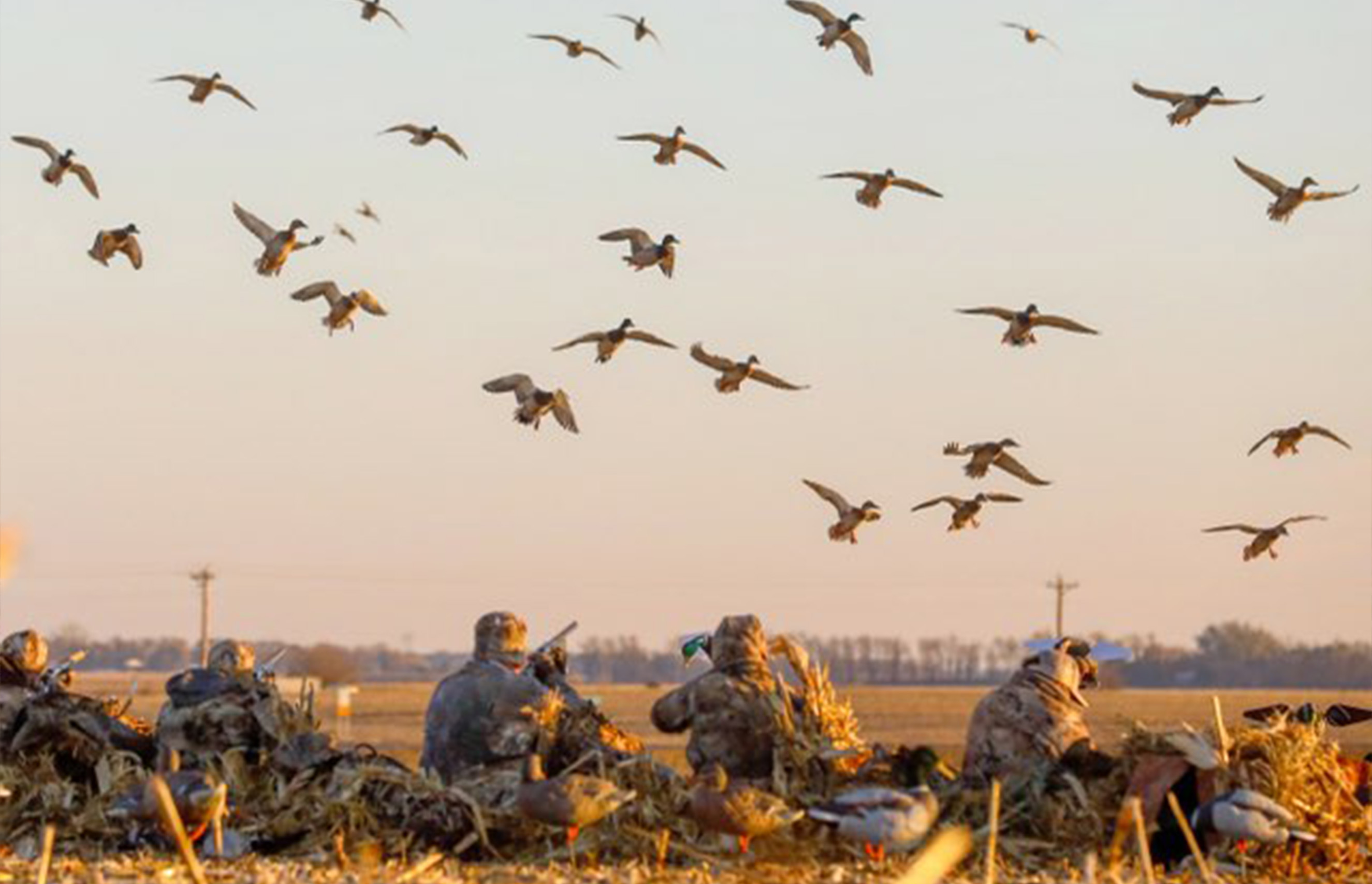
A successful duck hunt starts long before the first bird banks toward your setup. How you arrange your decoys separates watching ducks circle overhead from pulling your limit by mid-morning. Local conditions and species preferences change, but certain placement principles work across different hunting scenarios.
Start With the Right Foundation
Understanding what ducks see from the air determines your spread's effectiveness. Waterfowl scan for landing zones that offer safety and easy entry. They look for gaps in decoy groups where they can touch down without colliding with other birds. Real ducks rarely land in the middle of a tight group when setting up your waterfowl hunting spread. The edges and open pockets attract them.
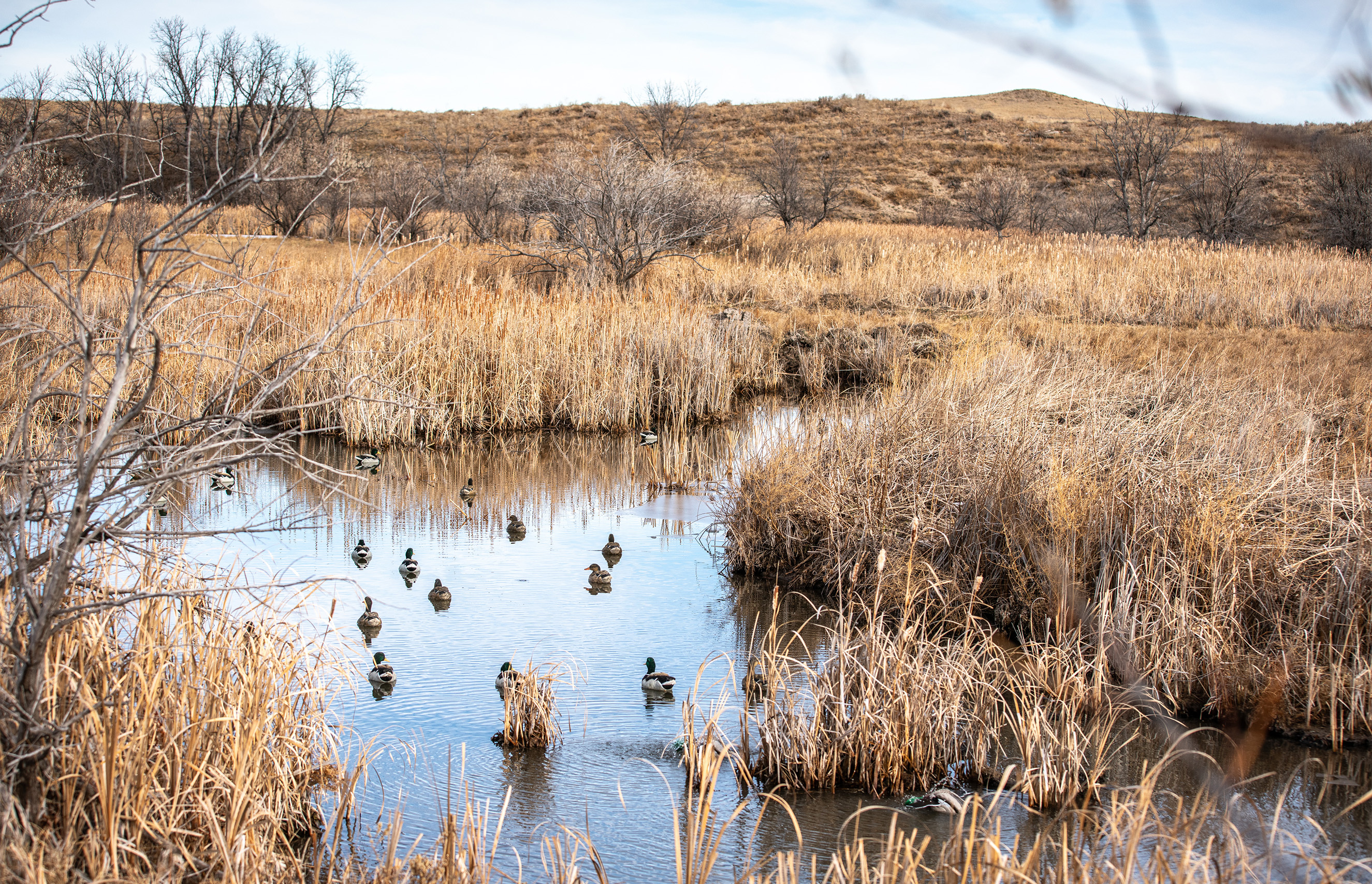
Too many decoys placed too close together creates an unnatural look. Pressured birds recognize this immediately. Work with groups of three to six decoys clustered together instead. Clear swimming lanes between each group mimic how real ducks naturally congregate on the water.
Distance between your blind and the nearest decoys matters more than many hunters realize. Set your closest birds 15 to 20 yards out. This gives incoming ducks confidence. Decoys sitting too close to obvious cover make wary birds flare before they commit.

Master the J-Hook Pattern
The J-hook works with various wind directions, making it one of the most versatile spread patterns. Place the long arm upwind, running 30 to 40 yards out from your blind. The curved hook portion sits downwind and creates a natural landing zone right in front of your position.
Birds fly into the wind to land. They'll follow the long arm of the J, spot the curved section and commit to the opening. Your most realistic decoys go closest to the blind in the hook area. These high-detail birds seal the deal when ducks drop in for a closer look.
The J-hook's beauty lies in its flexibility. Water size and hunting pressure determine how you tighten or widen the pattern. Small ponds need a compressed J in a tighter formation. Big water requires stretching it out to create a more visible footprint from distance.
Add Strategic Motion
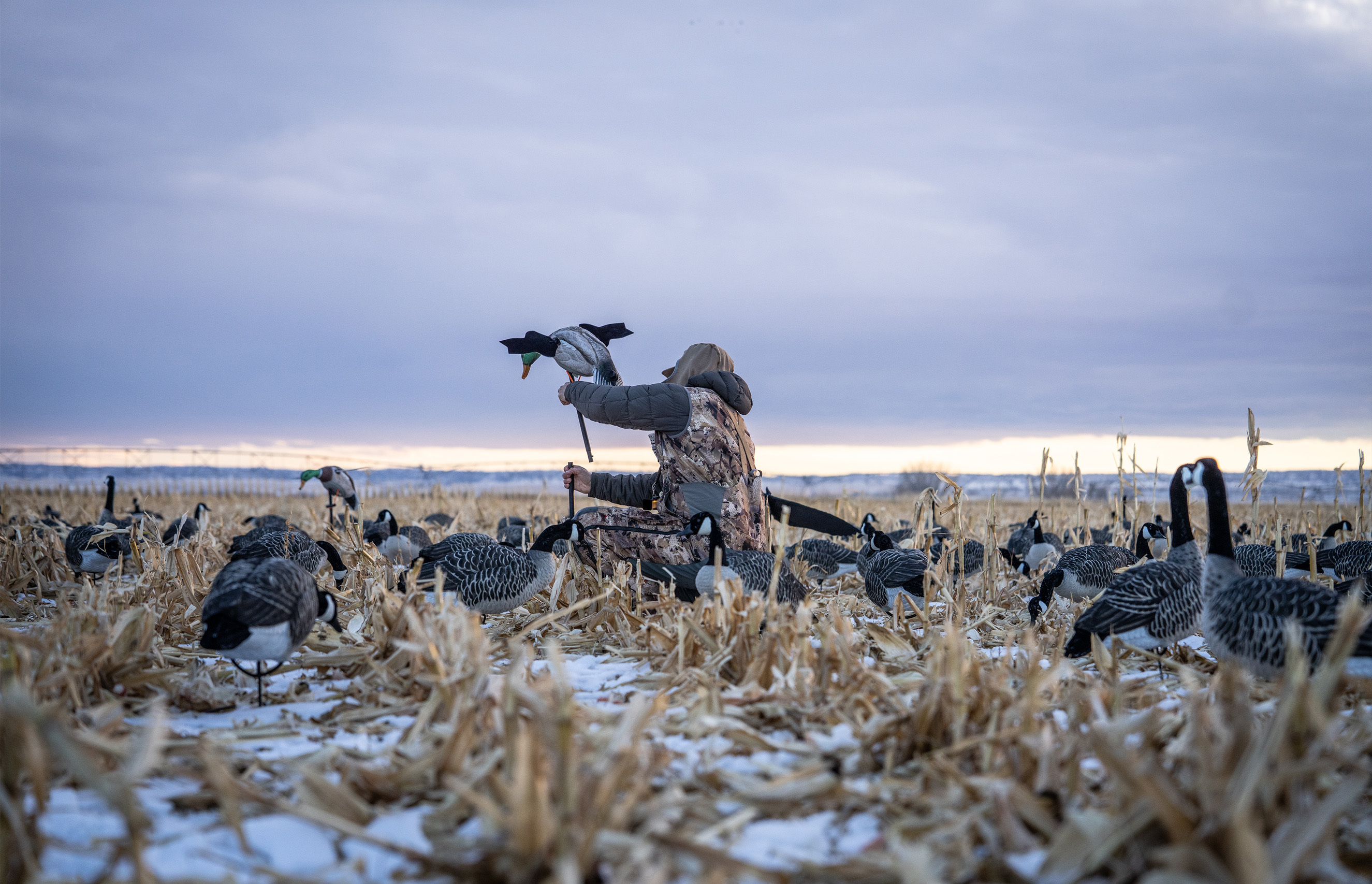
Static decoys only tell half the story. Ducks expect to see movement on the water. Incorporating motion into your spread greatly increases your success rate. Spinning wing decoys work well on bright, calm days when you need to grab attention from distance. Overcast mornings or heavy winds call for water-based motion. Jerk cords or swimming decoys create more natural ripples in these conditions.
Motion devices go upwind of your main spread. Incoming birds spot the movement first, then discover the main body of decoys as they commit to landing. Keep motion out of your landing zone. You want it to draw birds close, not distract them from finishing.
Adjust for Wind and Conditions
Wind direction dictates everything about decoy placement. Ducks always land into the wind, so your landing zone must account for their approach path. Calm days require multiple small openings throughout your spread. Birds might approach from any direction. Strong winds simplify things. Focus your setup downwind of your blind with one clear landing area.
Water conditions matter too. Choppy water demands more space between decoys so lines don't tangle. Calm water allows tighter groupings. Early season ducks are less wary. Bigger spreads of 24 to 36 decoys work well then. Late season birds have seen it all. Smaller, more realistic setups of 12 to 18 decoys often produce better results.
Sun position throughout the morning deserves attention. Ducks often avoid landing with the sun in their eyes. They'll approach from angles that keep the sun at their backs. Position your landing zone to accommodate these natural preferences, especially during the first hour of shooting light.

Think Like a Duck
The best spread mimics natural duck behavior. Real birds face different directions while feeding. They don't all point the same way. Mix up your decoy positions. Some should look like they're diving for food. Others resting with their heads tucked. Most alert and feeding on the surface.
Varying the distance of decoy groups from your blind creates depth in your spread. Some clusters sit close at 15 yards. Others stretch out to 35 or 40 yards. This depth looks more natural and gives late-finishing birds options for where to land.
Get the Gear That Makes the Difference
Building an effective spread takes quality equipment and the right motion tools. Lucky Duck offers everything you need to create natural-looking setups that fool even the wariest ducks. Realistic decoys to proven motion systems. The right gear transforms good spreads into great ones. Shop Now to upgrade your setup before your next hunt.
Frequently Asked Questions
How many decoys do I need for a good spread?
Start with 18 to 24 decoys for most situations. This number lets you create natural-looking groups without overwhelming smaller water bodies. Adjust up or down based on the size of your hunting area and how pressured the local birds are.

Should I mix different duck species in my spread?
Yes, mixing species creates a more realistic look. Puddle ducks often feed together in nature. Combining mallards, pintails and teal in one spread appears natural to incoming birds. Keep species in their own small groups rather than mixing them randomly.
How far apart should decoy groups be?
Space your groups 8 to 12 feet apart. This creates clear swimming lanes and landing zones while maintaining a cohesive spread. Water size determines the exact distance. Bigger water can handle more spacing. Small ponds need tighter setups.
When should I use spinning wing decoys?
Spinning wing decoys work best early in the season on calm, sunny days. Use them sparingly late in the season when birds have become conditioned to them. Turn them off when ducks are working close to avoid educating birds or making them flare.