
Offseason Strategies to Prepare for Duck Hunting Success
Posted by Lucky Duck Team on Feb 5th 2026
When the last retrieves are made, the blinds are brushed in for the final time, and migration maps stop dictating your weekends, the reality sets in: duck season is over. And for many waterfowlers, the offseason hits harder than any icy north wind.
But the gap between flyways isn’t dead time—it’s where next season’s success really begins. The offseason is a mental reset, a time to sharpen skills, stay connected to the lifestyle, and prepare with purpose so the long months don’t feel quite as long.
Here’s how serious duck hunters keep the fire burning—and make sure the next opener is their best one yet.

- Reflect on the Season: Wins, Losses, and Lessons
The best hunters don’t just remember the good days—they study all the days.
Use the offseason to look back honestly:
- What setups worked consistently?
- Where did birds flare—and why?
- Did scouting pay off enough?
- Did your calling match the conditions?
- Were there hunts where frustration beat preparation?
This isn’t self-criticism. It’s building experience. Every mistake leaves clues for making better decisions next season.
Keep a journal or digital log—it’s incredible how much you forget once warm weather arrives.
- Reconnect With the Mental Game
Duck season tests you in ways that are hard to explain to non-hunters: brutal weather, punishing early mornings, miles of hauling gear, and emotional highs and lows.
The offseason is about rebuilding:
- Confidence
- Patience
- Enthusiasm
- Discipline
Get outside. Hike. Scout new water. Watch birds throughout the spring and summer. Reconnect with why you hunt—not just the shooting, but the stillness, challenge, and tradition.

- Join Conservation and Waterfowl Organizations
One of the most rewarding offseason steps is getting involved with groups that protect the birds you love to chase.
Consider joining or supporting:
- Ducks Unlimited: https://www.ducks.org
- Delta Waterfowl: https://www.deltawaterfowl.org
- Local wetland conservation groups
- Youth mentorship programs
- Habitat restoration events
These organizations keep you plugged into the waterfowl world and help the resource thrive. Workdays, banquets, and summer projects make the offseason fly by.
- Stay Sharp with Calling Practice

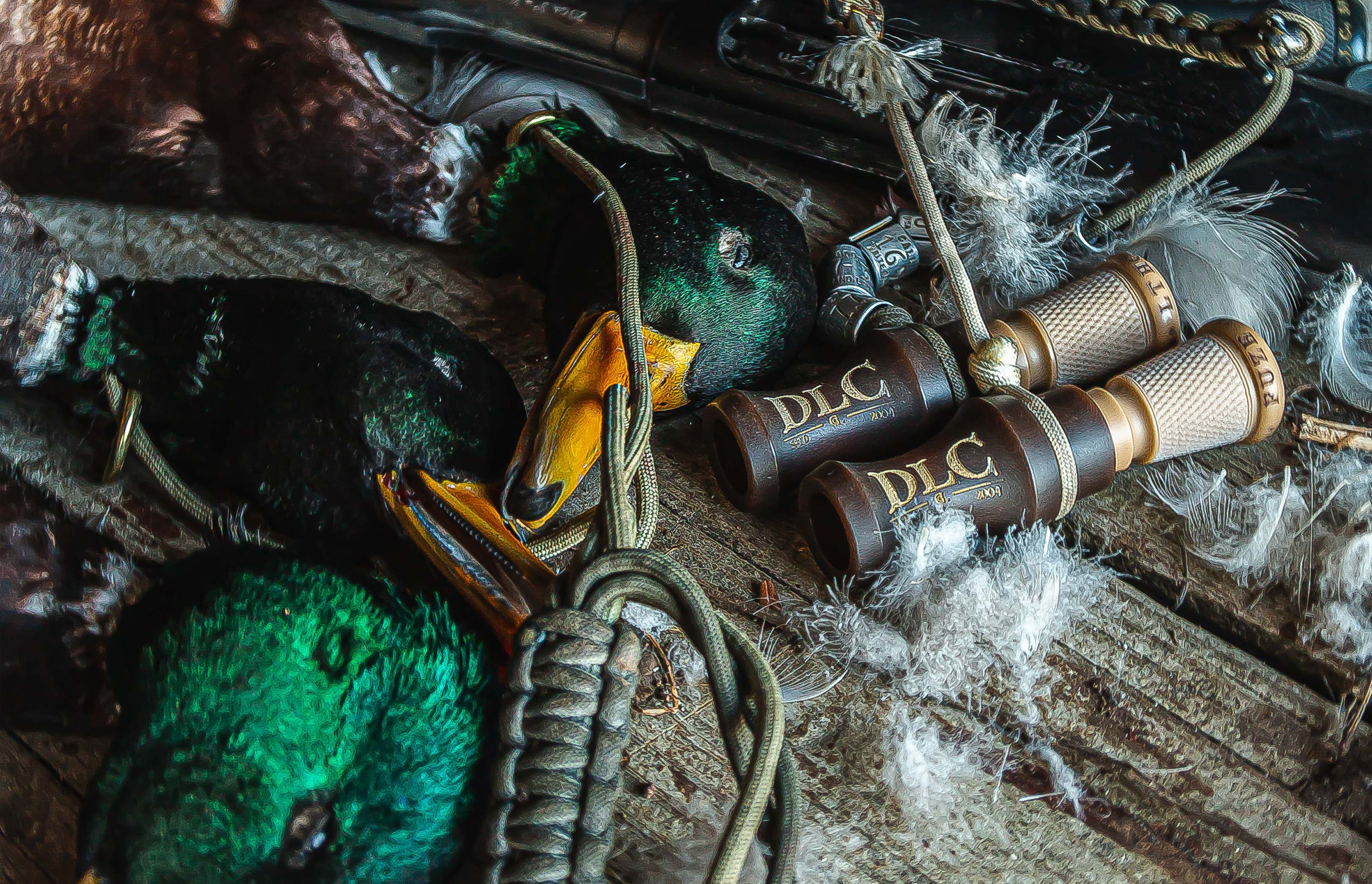
Most hunters only practice calling during the season—and it shows.
Use the offseason for structured practice:
- Work on breath control, cadence, and transition notes
- Record yourself and review
- Challenge yourself with more realistic sequences
- Practice while driving, mowing, or walking
- Study calling tutorials and live duck sounds
Summer practice leads to winter confidence—the kind you feel when a late-season flock starts sliding wide and you bring them back on a string.
- Organize, Repair, and Prepare Your Gear
Waterfowl gear takes a beating every season. The offseason is your chance to reset your system.

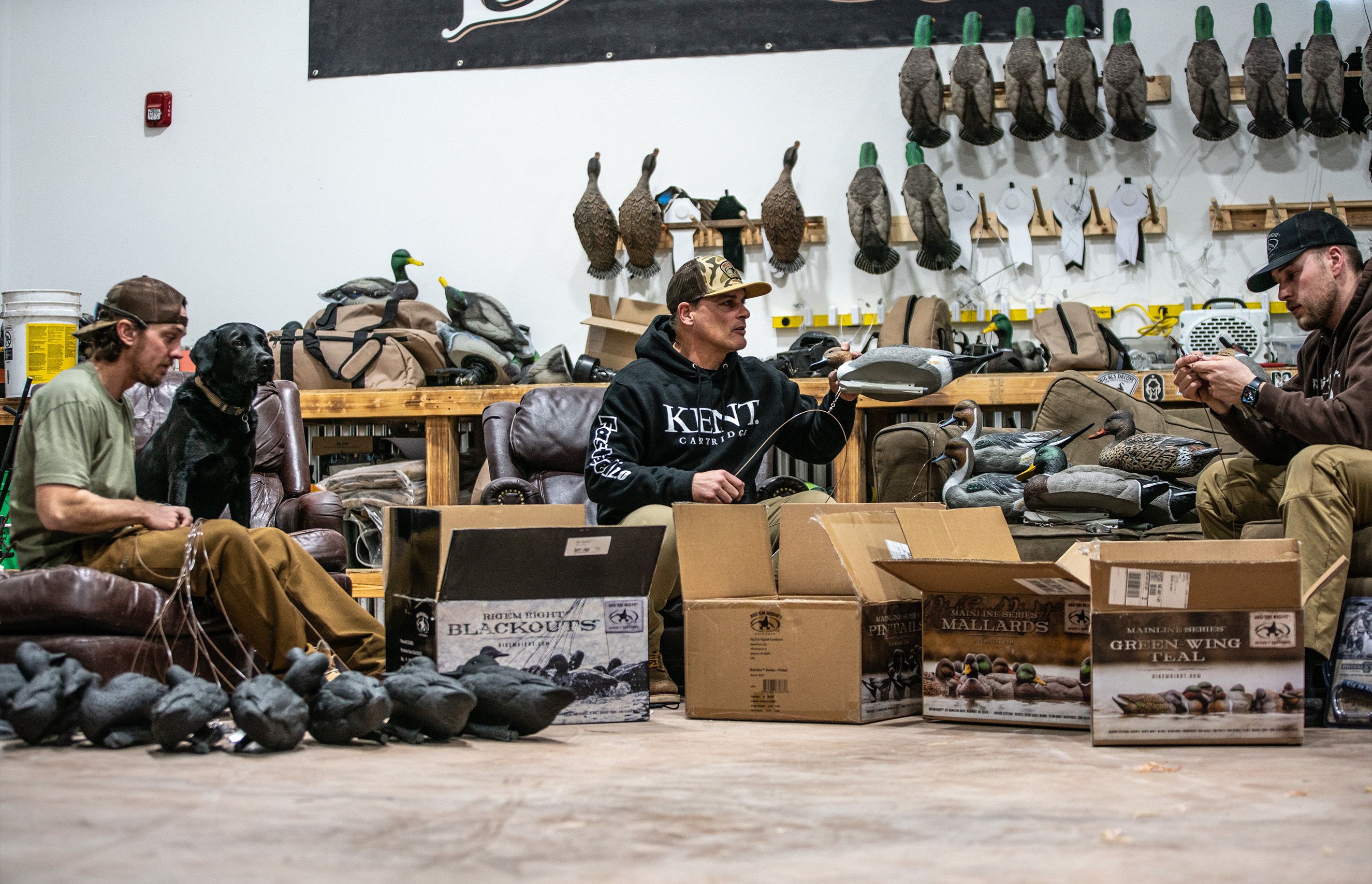
Work through tasks like:
- Patch waders and check for leaks
- Replace worn decoy lines and hardware
- Deep clean guns and inspect moving parts
- Wash blind bags, gloves, and jackets
- Re-oil leather gear
- Organize shells, chokes, and tools
- Reset your dog’s training and conditioning plan
A clean, organized setup makes opening day smoother and more enjoyable.
- Stay in Shape for the Grind
Dragging sleds, hauling decoys, and wading through muck isn’t something you can fake. Staying in shape helps you hunt harder, longer, and more safely.
Add offseason training like:
- Weighted hikes
- Leg and core routines
- Grip strength work
- Cardio sessions
- Flexibility and mobility work
Better conditioning means more confidence in the elements.
- Scout During the “Forgotten Months”
Most hunters only scout in the fall. Serious ones scout all year.
Summer scouting shows you:
- Loafing spots
- Water levels and vegetation growth
- Human pressure from fishing or recreation
- New access routes
- How local birds behave before migration
These insights pay off big when migration peaks and birds become selective.
- Surround Yourself With Waterfowl Energy
When the offseason drags, immerse yourself in the culture:
- Listen to waterfowl podcasts
- Attend conservation banquets
- Watch calling and dog-training videos
- Read migration reports and biology articles
- Connect with other hunters in your area
Keeping the passion alive during the long months makes the wait feel shorter.
Final Thoughts
Duck season doesn’t start in the fall—it starts now. The offseason is your chance to grow, prepare, organize, reconnect, and rebuild the mental skills that matter most in the blind.
When you use the quiet months intentionally, you step into opening day more confident, more prepared, and more grateful for the lifestyle we all chase.
The best seasons aren’t built in the storm—they’re built in the silence between them.