
Bring Your Puppy Home
Posted by Lucky Duck Team on Jul 14th 2026

Bringing Your Puppy Home
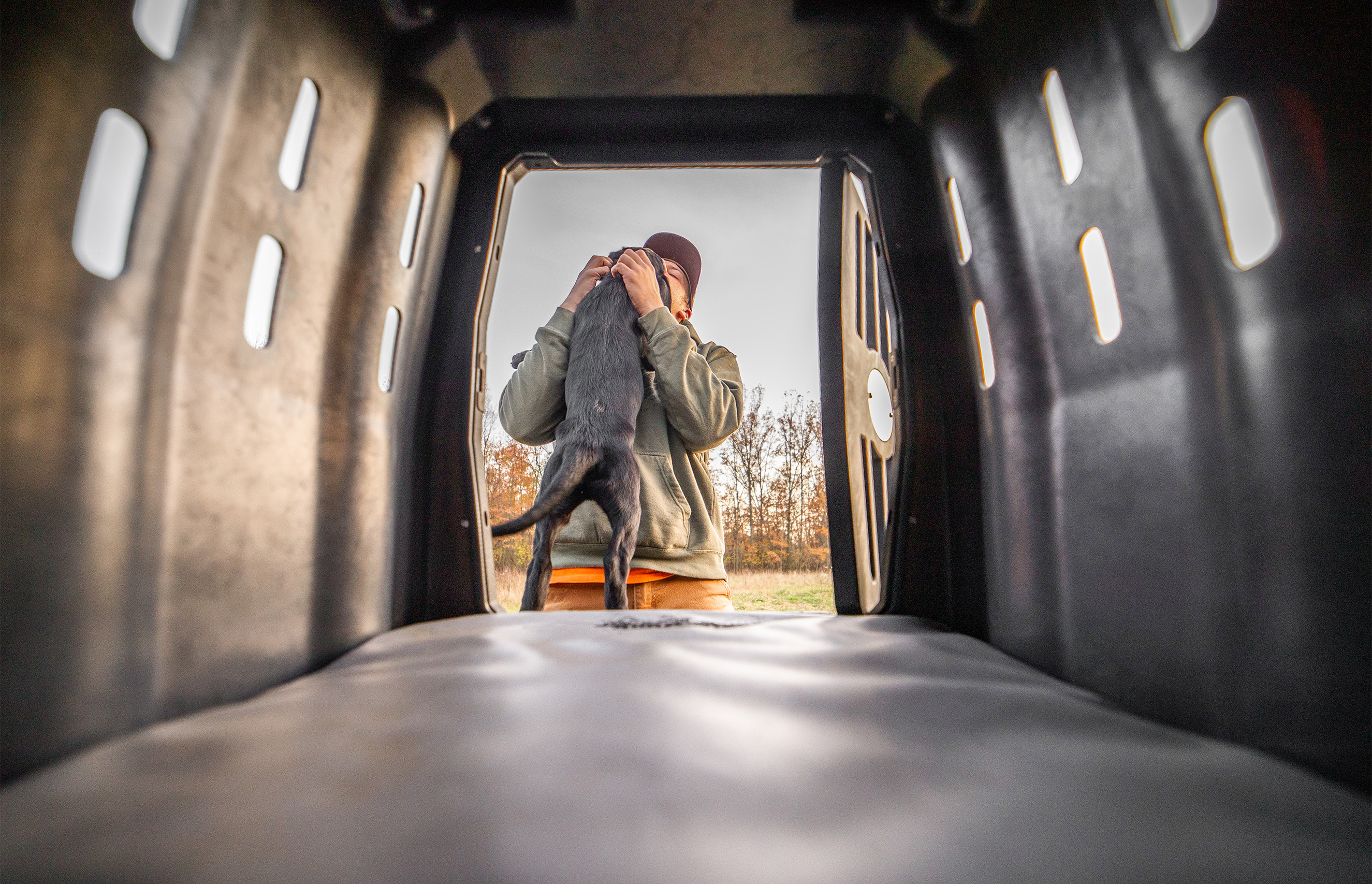
There’s nothing quite like the drive home with a new gun dog puppy riding shotgun beside you. It’s the beginning of years of memories in the field, mornings in the blind, long training days, and hopefully a best friend that never leaves your side.
The first few days matter more than most people realize; the habits you build early will shape your puppy for years to come. While it’s easy to get caught up in the excitement, slowing things down and setting a strong foundation can make all the difference.
Keep Expectations Realistic

A lot of people bring home a puppy and immediately start imagining finished retrieves, perfect steadiness, and polished blinds. And it’s great to keep these goals in mind, but let’s also remember that you have a young dog on your hands who is going to take many years to develop into the ultimate companion you dream of. As a great mentor of mine used to say, “I’ve never seen a dog ruined by going too slow, but I sure have seen a lot of them ruined by going to fast.”
Good words to keep in the back of your mind.
You wouldn’t ask your kindergartener to take a Geometry test or shoot a three-pointer, would you? I know that sounds funny, but the truth is, too many of us push our young pups way too fast because we want to get to that impressive work.
The first few weeks are not about creating a finished gun dog. They’re about building trust, confidence, and routine.
Your puppy needs:
- Consistency
- Structure
- Positive experiences
- Rest
- Repetition
Not pressure.
This is the stage where you teach them their name, where to sleep, and how to feel comfortable around people and new environments.
Crate Training Starts Immediately

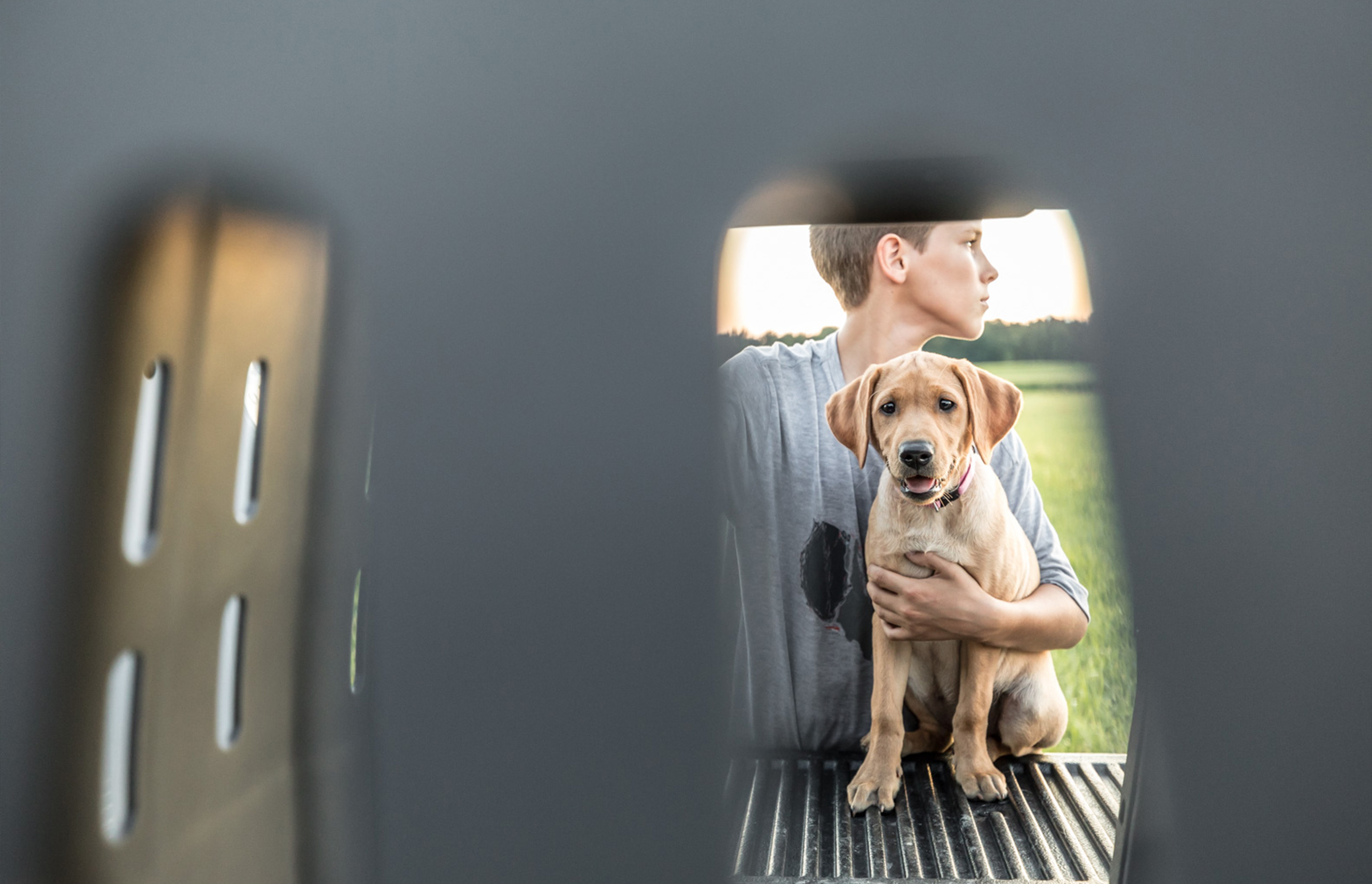
The crate is one of the most valuable tools you’ll ever use with a gun dog. And Lucky for you (see what I did there?), the Lucky Kennel is built so that you can start them as a puppy and have it for their entire life.
A properly crate-trained dog learns patience, settles more easily during travel, and develops confidence being alone. The first few nights may be rough. There may be whining, barking, or restless pacing.
Stick with it.
Don’t create bad habits by letting the puppy out every time it cries. Take them outside for potty breaks when needed, then calmly return them to the crate.
A crate should never feel like punishment. It should feel safe.
Start Building Engagement

One of the biggest mistakes new owners make is focusing too much on obedience too early. Before you worry about advanced training, focus on getting your puppy excited to interact with you.
Call them enthusiastically.
Play short games.
Celebrate when they come toward you.
A puppy that loves being around you will be easier to train later on. Be a cheerleader and let them know when they are doing things right! Remember, your puppy doesn’t speak English but they do speak body language. It’s amazing how your voice inflection and body language can affect your puppy and their energy.
Keep sessions short. At this age, five good minutes are way better than thirty frustrating ones.
Let Them Be a Puppy

This one matters. A lot.
Don’t rush the process.
A future hunting dog still needs time to explore the yard, chase butterflies, splash in puddles, and learn confidence naturally. Some of the best gun dogs are built through exposure and experience long before formal training ever starts.
Take them places.
Let them hear new sounds.
Introduce them to different terrain.
Confidence cannot be forced, but it can absolutely be developed.
Introduce Retrieving Naturally

Most gun dog owners are tempted to throw retrieves immediately, and honestly, that’s fine in moderation. I have often said that the only reason that you would throw retrieves for your retriever puppy once you get them is to validate to yourself that you did buy a retriever. And I still firmly believe that. But a puppy bumper down the hallway once in a while doesn’t hurt. Just don’t overdo it and create bad habits.
If you are going to do it, a soft puppy bumper or rolled-up sock in the hallway can be a great start. Keep retrieves fun and exciting. End while the puppy still wants more. The goal right now is desire — not perfection. You don’t need a puppy sitting steady or delivering perfectly to hand at eight weeks old. You simply want them excited about chasing, picking up, and carrying objects. Build drive first. Refinement comes later.
Routine Creates Stability

Puppies thrive on routine.
Set feeding times.
Set potty schedules.
Set nap times.
The more structure you create early, the easier life becomes for both you and the dog. Consistency also speeds up house training and reduces stress. A puppy that understands the daily rhythm of the home settles in faster.
The Long-Term Goal

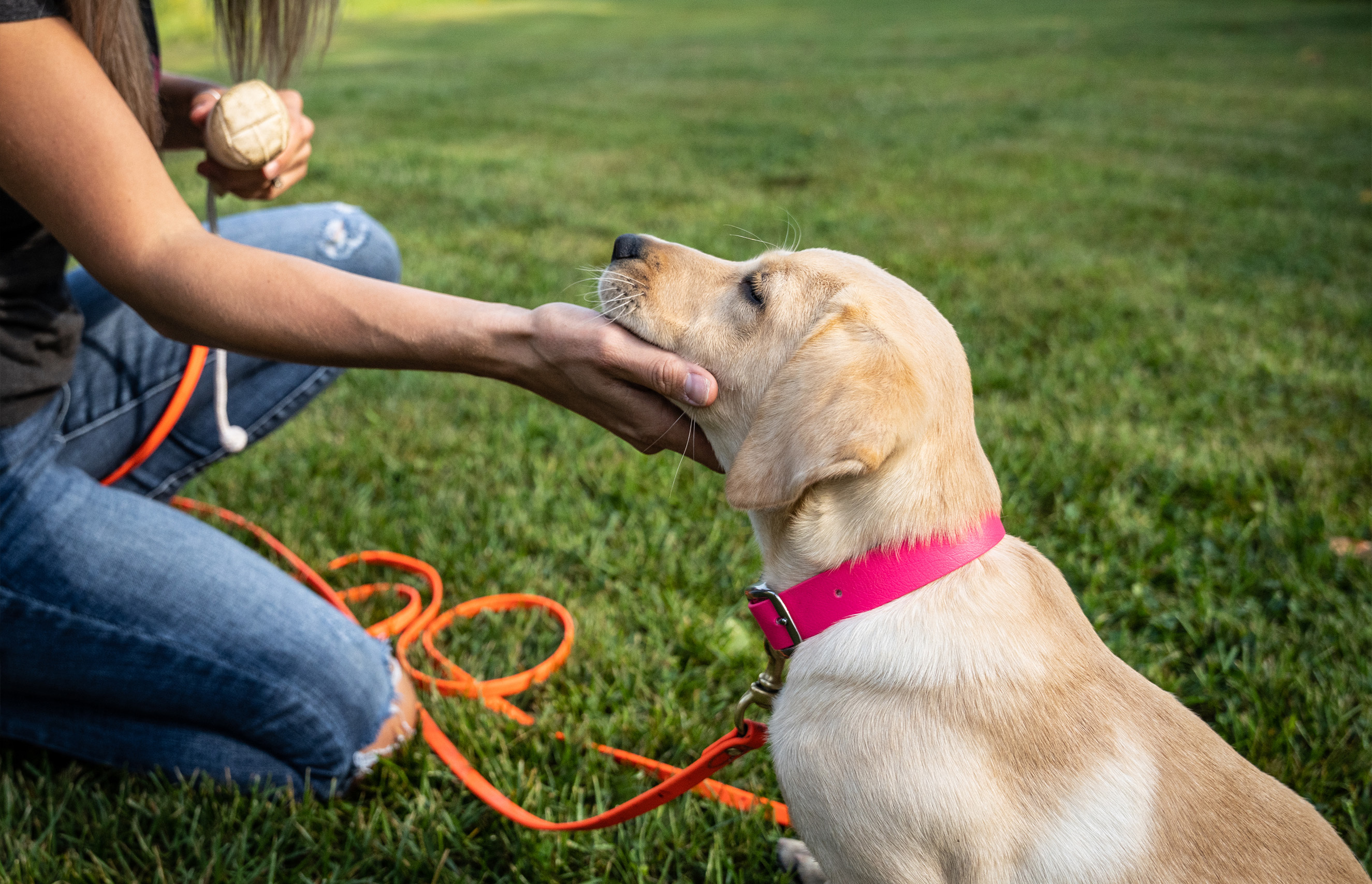
One day, this little puppy will sit beside you in the duck blind before sunrise or watch the horizon from the upland field waiting for the next bird to flush. But those moments are built long before hunting season ever arrives.
They’re built in quiet mornings before work.
They’re built during short training sessions in the backyard.
They’re built through patience, consistency, and time. Enjoy this stage. The puppy phase goes by fast, and before long you’ll look back and realize the little dog chewing bumpers in the yard became the hunting partner you always hoped for. And honestly, that’s one of the best parts of owning a gun dog.